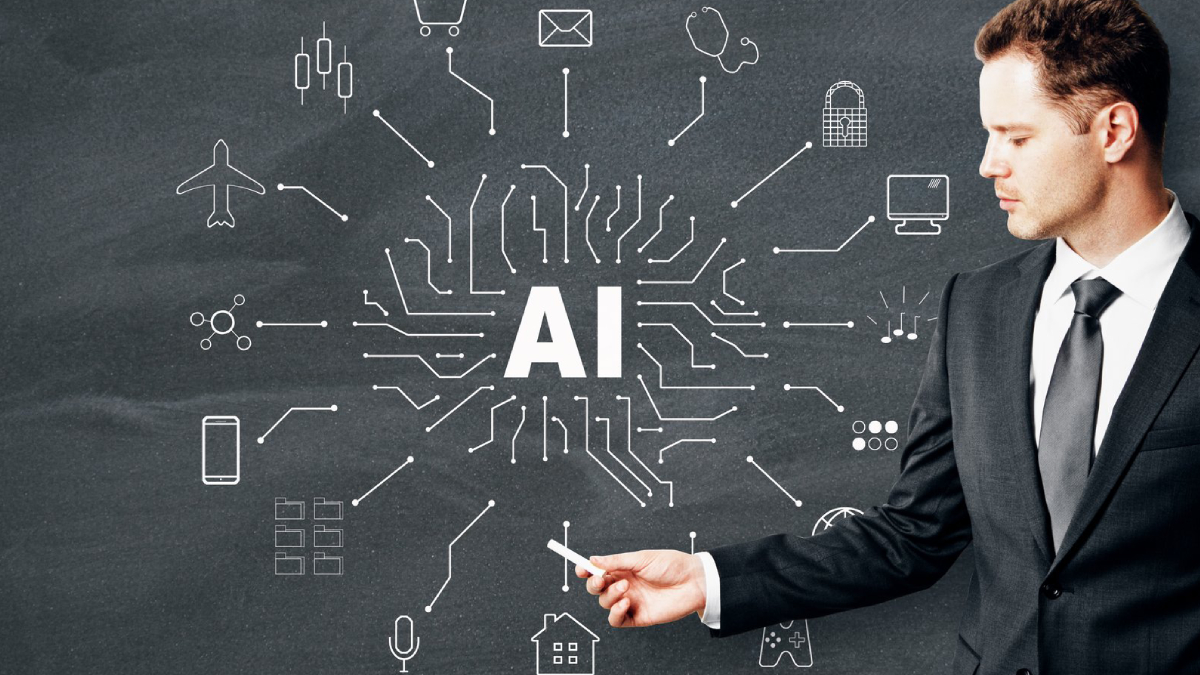


In today’s fast-changing digital world, businesses are under constant pressure to do more in less time, reduce costs, and deliver better customer experiences. This is where AI automation is becoming a game-changer. It is not just a trend anymore; it is a practical business strategy that is transforming how companies operate every day.
AI automation combines artificial intelligence with automated systems to perform tasks that normally require human effort. These tasks can range from data entry and customer support to marketing, analytics, and decision-making processes. The result is faster operations, fewer errors, and significantly improved efficiency.
What is AI Automation?
AI automation refers to the use of intelligent systems that can learn, analyze, and perform tasks without constant human intervention. Unlike traditional automation, which follows fixed rules, AI-powered systems can improve over time by learning from data.
For example:
- A traditional system might send a scheduled email automatically.
- An AI system can analyze customer behavior and send personalized emails at the best time for each user.
This ability to “think and adapt” is what makes AI automation powerful for businesses.
How AI Automation Improves Business Efficiency
1. Reduces Manual Workload
One of the biggest benefits of AI automation is reducing repetitive tasks. Employees often spend hours on work like:
- Data entry
- Scheduling meetings
- Responding to basic customer queries
- Generating reports
AI tools can handle these tasks in seconds. This allows employees to focus on more important work such as strategy, creativity, and decision-making.
For example, AI-powered chat systems can instantly respond to customer questions, reducing the need for large support teams.
2. Increases Speed of Operations
Speed is everything in business. AI automation significantly increases the speed of operations by processing large amounts of data instantly.
For instance:
- Financial reports that used to take hours can now be generated in minutes.
- Marketing campaigns can be optimized in real time based on performance data.
This speed advantage allows companies to react faster to market changes and stay ahead of competitors.
3. Improves Accuracy and Reduces Errors
Human error is unavoidable, especially in repetitive tasks. AI systems, on the other hand, follow data-driven logic and reduce mistakes.
Examples include:
- Accurate financial calculations
- Error-free data processing
- Correct customer segmentation in marketing
Even small improvements in accuracy can save businesses a lot of money and time in the long run.
4. Enhances Customer Experience
Customer experience is a key factor in business success. AI automation improves this area in several ways:
- Instant customer support through chatbots
- Personalized recommendations based on user behavior
- Faster response times
- 24/7 availability
For example, e-commerce platforms use AI to suggest products based on browsing history, which increases customer satisfaction and sales.
5. Supports Better Decision Making
AI automation is not just about doing tasks—it also helps businesses make smarter decisions. AI systems analyze huge datasets and identify patterns that humans might miss.
Businesses can use AI to:
- Predict sales trends
- Understand customer behavior
- Identify risks early
- Optimize pricing strategies
This leads to more informed and data-driven decision-making.
6. Reduces Operational Costs
One of the biggest advantages of AI automation is cost reduction. When businesses automate tasks, they need fewer resources to complete the same amount of work.
Cost savings come from:
- Reduced labor costs
- Fewer operational errors
- Improved resource allocation
- Faster workflows
Over time, these savings can significantly increase profit margins.
7. Scales Business Operations Easily
Scaling a business traditionally requires hiring more staff and increasing resources. With AI automation, businesses can scale much faster without proportional cost increases.
For example:
- A customer support system powered by AI can handle thousands of queries at once.
- Marketing automation tools can manage campaigns across multiple platforms simultaneously.
This makes growth easier and more sustainable.
Real-World Example of AI Automation
Imagine an online retail company:
Before AI:
- Human staff manually respond to customer emails
- Marketing campaigns are created manually
- Inventory tracking is done through spreadsheets
After AI automation:
- Chatbots handle 80% of customer queries
- AI tools automatically create and optimize ads
- Inventory is tracked and predicted using smart algorithms
The result is faster operations, lower costs, and happier customers.
Challenges of AI Automation
While AI automation is powerful, it also comes with challenges:
1. Initial Setup Costs
Implementing AI systems can require investment in tools and training.
2. Learning Curve
Employees may need time to adapt to new technologies.
3. Data Dependency
AI systems require high-quality data to work effectively.
However, these challenges are usually short-term compared to long-term benefits.
Future of AI Automation in Business
The future of AI automation is extremely promising. In the coming years, we can expect:
- Fully automated business workflows
- Smarter AI decision-making systems
- More personalized customer experiences
- Increased use of AI in every industry
Businesses that adopt AI early will have a strong competitive advantage.
Conclusion
AI automation is revolutionizing business efficiency by saving time, reducing costs, and improving accuracy. It allows companies to operate smarter, not harder. From customer service to decision-making, AI is becoming an essential part of modern business operations.
Companies that embrace AI automation today are positioning themselves for long-term success in the digital economy.