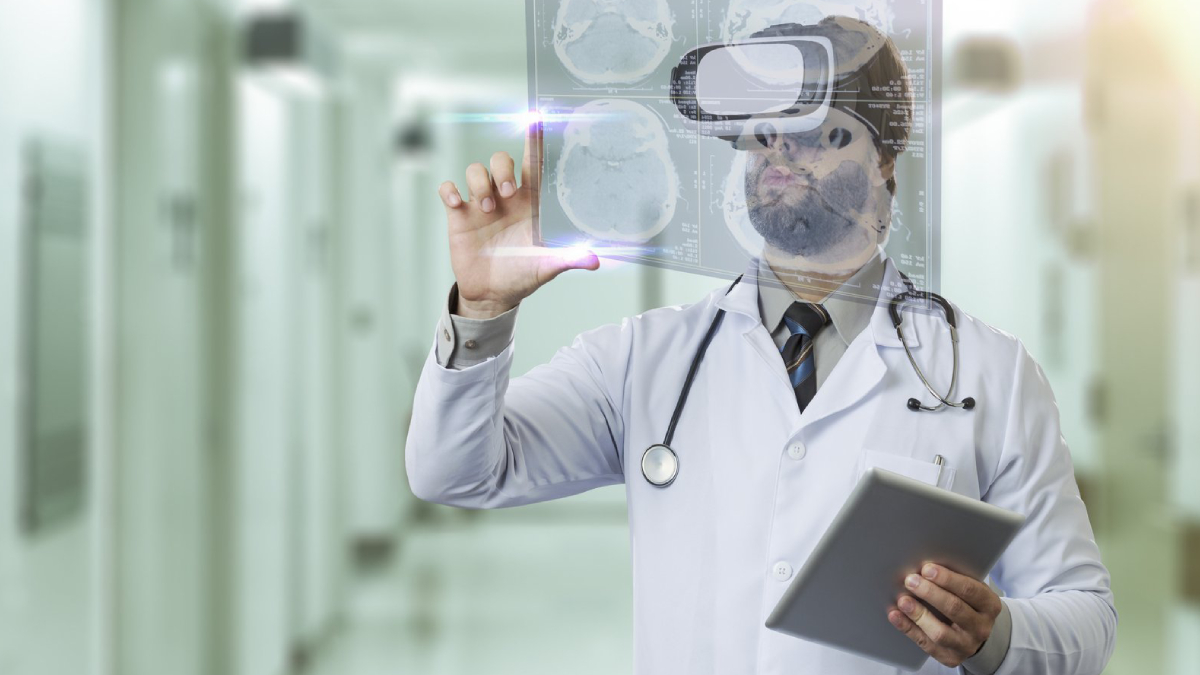

In 2026, healthcare is no longer just about traditional tools and manual diagnosis. Artificial Intelligence (AI) has introduced advanced medical technologies that are improving accuracy, reducing costs, and saving millions of lives worldwide.
From smart imaging systems to robotic surgery and predictive health analytics, AI medical technologies are now at the center of modern healthcare innovation.
In this blog, we’ll explore the best AI medical technologies, how they work, and why they are transforming the medical industry.
What Are AI Medical Technologies?
AI medical technologies are advanced systems that use Artificial Intelligence to support healthcare professionals in:
- Diagnosing diseases
- Analyzing medical data
- Assisting surgeries
- Managing hospital operations
- Predicting health risks
These technologies are designed to make healthcare faster, safer, and more accurate.
Why AI Medical Technologies Matter
AI medical systems are important because they:
- Improve diagnostic accuracy
- Speed up treatment decisions
- Reduce human error
- Lower healthcare costs
- Improve patient outcomes
1. AI Medical Imaging Systems
One of the most powerful AI technologies in healthcare is medical imaging analysis.
These systems can:
- Analyze X-rays, CT scans, and MRIs
- Detect tumors and fractures
- Highlight abnormalities
- Compare scans with medical databases
Example:
AI can detect early-stage lung cancer that may be missed by human observation.
Result:
- Faster diagnosis
- Higher accuracy
- Early treatment opportunities
2. AI-Powered Diagnostic Systems
AI diagnostic tools help doctors identify diseases more quickly and accurately.
They work by:
- Analyzing patient symptoms
- Comparing medical records
- Predicting possible conditions
- Suggesting next steps
Tools like IBM Watson Health are widely used for advanced medical decision support.
Result:
- Better clinical decisions
- Reduced misdiagnosis
- Faster patient care
3. AI Robotic Surgery Systems
AI is revolutionizing surgery through robotic assistance.
These systems:
- Assist surgeons during operations
- Provide precision control
- Reduce surgical errors
- Enable minimally invasive procedures
Result:
- Safer surgeries
- Faster recovery
- Less pain for patients
4. AI Drug Discovery Platforms
AI is transforming how new medicines are developed.
It helps:
- Identify potential drug compounds
- Simulate drug reactions
- Predict effectiveness
- Reduce research time
Result:
- Faster drug development
- Lower research costs
- Improved treatment options
5. AI Health Monitoring Devices
Wearable AI devices are now widely used in healthcare.
They track:
- Heart rate
- Blood pressure
- Oxygen levels
- Sleep quality
These devices continuously send data to AI systems for analysis.
Result:
- Real-time health monitoring
- Early detection of problems
- Better chronic disease management
6. AI Virtual Health Assistants
AI-powered assistants help patients with basic healthcare needs.
They can:
- Answer medical questions
- Provide symptom analysis
- Book doctor appointments
- Send medication reminders
Tools like Ada Health are widely used in digital healthcare support.
Result:
- 24/7 patient assistance
- Reduced hospital workload
- Faster communication
7. AI Predictive Healthcare Systems
Predictive AI is one of the most advanced medical technologies.
It can:
- Predict disease risks
- Identify health patterns
- Forecast patient conditions
- Prevent medical emergencies
Example:
AI can predict heart disease risk based on lifestyle and medical data.
Result:
- Early prevention
- Better health planning
- Reduced emergency cases
8. AI in Electronic Health Records (EHR)
AI helps manage patient data more efficiently.
It can:
- Organize medical records
- Detect missing information
- Summarize patient history
- Improve data accuracy
Result:
- Faster access to records
- Better data management
- Improved hospital efficiency
9. AI in Personalized Medicine
AI is making healthcare more personalized than ever.
It analyzes:
- Genetics
- Lifestyle habits
- Medical history
- Current health conditions
Then it creates customized treatment plans.
Result:
- Better treatment effectiveness
- Reduced side effects
- Faster recovery
10. AI in Medical Research
AI speeds up healthcare research by:
- Analyzing large datasets
- Finding disease patterns
- Supporting clinical trials
- Generating medical insights
Result:
- Faster medical discoveries
- More accurate research
- Improved healthcare innovation
Real-World Example
Imagine a modern hospital using AI technologies:
Before AI:
- Manual diagnosis takes hours or days
- Paper-based medical records
- Slower treatment decisions
After AI:
- AI scans detect diseases instantly
- Digital records are analyzed in seconds
- Doctors receive instant recommendations
Result:
- Faster healthcare delivery
- Improved accuracy
- Better patient outcomes
Benefits of AI Medical Technologies
1. Higher Accuracy
AI reduces diagnostic errors.
2. Faster Treatment
Patients receive quicker medical attention.
3. Cost Reduction
Less waste of time and resources.
4. Better Patient Care
Improves treatment quality and monitoring.
5. Advanced Research
Speeds up medical discoveries.
Challenges of AI Medical Technologies
1. Data Privacy Risks
Medical data must be protected carefully.
2. High Costs
Advanced systems can be expensive to implement.
3. Ethical Concerns
AI decisions must always be reviewed by doctors.
4. Technical Limitations
AI may not handle complex cases alone.
Future of AI in Medical Technology
The future includes:
- Fully AI-powered hospitals
- Real-time disease prediction systems
- Smart robotic surgeons
- Personalized AI healthcare assistants
- Global digital health networks
Healthcare will become more intelligent, predictive, and automated.
Conclusion
AI medical technologies are revolutionizing healthcare by improving diagnosis, treatment, surgery, and patient monitoring. From AI imaging systems and robotic surgery to predictive healthcare and personalized medicine, these technologies are shaping the future of medicine.
However, AI will always work alongside human doctors—not replace them—to ensure safer and more effective healthcare.