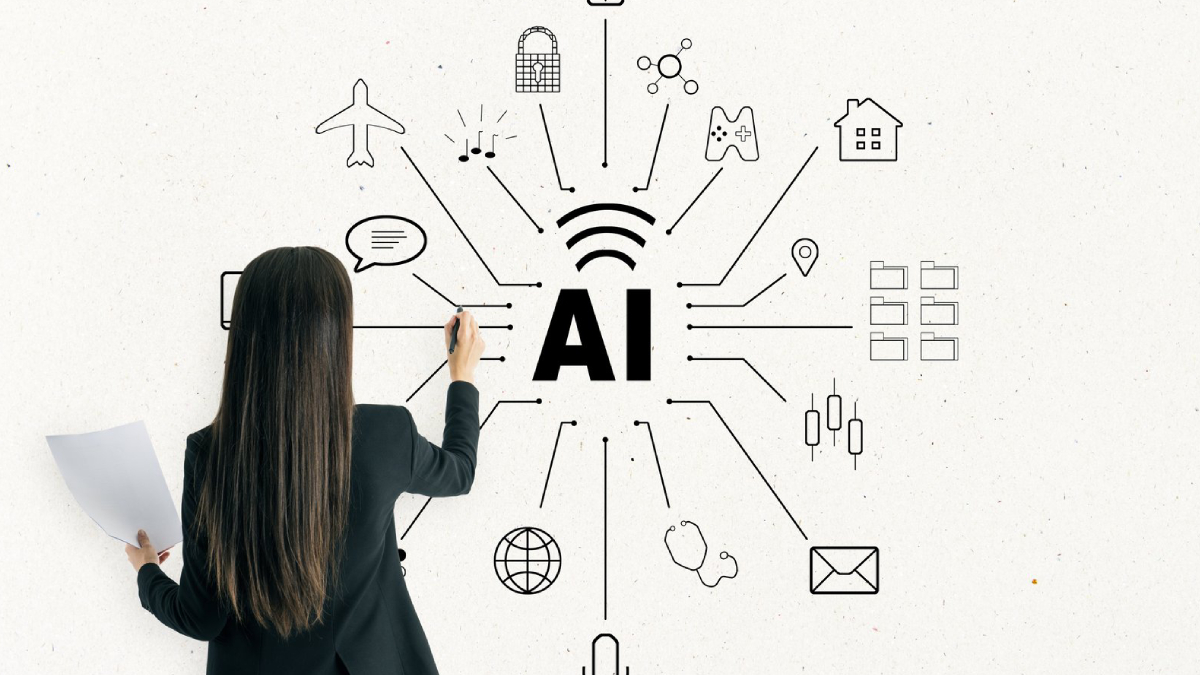
In 2026, Artificial Intelligence (AI) is no longer something only big tech companies build from scratch. Thanks to AI APIs, developers can now integrate powerful AI features into websites, apps, and business systems within minutes.
Instead of training complex machine learning models, developers can simply use an API to access pre-built AI capabilities like text generation, image recognition, speech processing, and more.
In this blog, we’ll explore the best AI APIs for developers, what they do, and how they are transforming modern software development.
What Are AI APIs?
AI APIs (Application Programming Interfaces) are pre-built services that allow developers to use AI features without building models from scratch.
They act as a bridge between your application and powerful AI systems.
For example, with an AI API you can:
- Generate text automatically
- Analyze images
- Translate languages
- Build chatbots
- Process speech into text
Why AI APIs Are Important
AI APIs are important because they:
- Save development time
- Reduce complexity
- Lower costs
- Provide scalable AI solutions
- Allow fast integration into apps
Instead of spending months building AI models, developers can integrate AI in hours.
1. OpenAI API – Best for Text and Language AI
OpenAI API is one of the most powerful and widely used AI APIs in the world.
Key Features:
- Text generation
- Chatbots and virtual assistants
- Content creation
- Code generation
- Language understanding
Why developers use it:
- Extremely powerful language models
- Easy integration
- Flexible use cases
Use cases:
- AI chatbots
- Content writing tools
- Customer support automation
Result:
- Smarter applications
- Faster development
- Advanced AI features
2. Google Cloud AI APIs – Best for Enterprise AI
Google Cloud AI Platform provides a wide range of AI APIs for developers.
Key Features:
- Vision AI (image recognition)
- Speech-to-text
- Natural language processing
- Translation services
Why developers use it:
- Highly scalable
- Strong enterprise support
- Reliable infrastructure
Use cases:
- Image analysis apps
- Voice assistants
- Multilingual applications
Result:
- Enterprise-grade AI solutions
- High accuracy
- Scalable systems
3. Amazon AI Services – Best for Cloud Integration
Amazon SageMaker offers powerful AI APIs through AWS.
Key Features:
- Text analysis
- Image recognition
- Machine learning tools
- Voice processing
Why developers use it:
- Deep AWS ecosystem integration
- Secure cloud infrastructure
- Scalable AI services
Use cases:
- E-commerce recommendations
- Fraud detection systems
- Cloud-based AI apps
Result:
- Reliable AI integration
- Strong cloud performance
- Business-ready AI systems
4. Microsoft Azure AI APIs – Best for Business Applications
Microsoft Azure Machine Learning provides enterprise-level AI APIs.
Key Features:
- Language understanding
- Speech recognition
- Computer vision
- AI search tools
Why developers use it:
- Strong enterprise focus
- Easy Microsoft integration
- Secure environment
Use cases:
- Business automation
- AI analytics dashboards
- Corporate chatbots
Result:
- Scalable business AI
- Strong security
- Easy integration
5. IBM Watson API – Best for Advanced AI Analytics
IBM Watson Studio offers powerful AI APIs for data analysis and business intelligence.
Key Features:
- Natural language processing
- Sentiment analysis
- Data insights
- Chatbot development
Why developers use it:
- Strong analytical capabilities
- Enterprise AI solutions
- Advanced NLP features
Use cases:
- Customer sentiment tracking
- Healthcare AI systems
- Business analytics
Result:
- Better insights
- Smarter decisions
- Advanced AI automation
6. Hugging Face API – Best for Open AI Models
Hugging Face provides access to thousands of open-source AI models.
Key Features:
- NLP models
- Image models
- Speech models
- AI model hosting
Why developers use it:
- Open-source flexibility
- Large model library
- Community-driven development
Use cases:
- Research projects
- AI experimentation
- Custom AI apps
Result:
- Flexible AI development
- Innovation-friendly environment
- Custom model creation
7. DeepAI API – Best for Simple AI Integration
DeepAI is a simple API platform for developers.
Key Features:
- Text generation
- Image recognition
- AI image creation
- NLP tools
Why developers use it:
- Easy setup
- Beginner-friendly
- Fast integration
Use cases:
- Simple AI apps
- Educational projects
- Quick prototypes
Result:
- Fast development
- Easy AI integration
- Low learning curve
Benefits of AI APIs for Developers
1. Faster Development
No need to build AI models from scratch.
2. Cost Efficiency
Reduces infrastructure and training costs.
3. Scalability
APIs can handle large-scale applications.
4. Easy Integration
Simple REST APIs for quick implementation.
5. Advanced Features
Access to cutting-edge AI technology.
Real-World Example
Imagine building a customer support chatbot:
Before AI APIs:
- Build NLP model from scratch
- Train large datasets
- High development cost
After AI APIs:
- Use OpenAI API
- Integrate chatbot in hours
- Instant intelligent responses
Result:
- Faster launch
- Lower cost
- Smarter system
Challenges of AI APIs
1. Dependency on Third Parties
You rely on external providers.
2. API Costs
High usage can become expensive.
3. Data Privacy Concerns
Sensitive data must be handled carefully.
Future of AI APIs
The future includes:
- Fully autonomous AI systems
- Real-time AI integration everywhere
- Plug-and-play AI ecosystems
- Self-learning APIs
AI APIs will become the backbone of all digital applications.
Conclusion
AI APIs are transforming how developers build software. They make it easy to integrate powerful AI features without complex machine learning knowledge.
From OpenAI to Google Cloud and AWS, these APIs are enabling faster, smarter, and more scalable applications.
Developers who use AI APIs today are building the future of software development.