In 2026, content creation has become highly competitive. YouTube channels, podcasts, online courses, ads, and social media videos all require high-quality voiceovers to keep audiences engaged.
But recording professional voiceovers manually can be expensive, time-consuming, and sometimes difficult—especially for beginners.
This is why AI voiceovers have become a powerful solution for content creators worldwide.
In this blog, we’ll explore how AI voiceovers work, how creators use them, and why they are changing the content industry.
What Are AI Voiceovers?
AI voiceovers are digitally generated speech created by Artificial Intelligence tools that convert written text into human-like audio.
Instead of recording your own voice or hiring voice actors, you simply:
- Write a script
- Paste it into an AI tool
- Generate a natural-sounding voiceover instantly
These voices can sound realistic, emotional, and even multilingual.
Why AI Voiceovers Are Important for Creators
AI voiceovers are becoming essential because they:
- Save time in recording
- Reduce production costs
- Remove the need for studio equipment
- Enable fast content scaling
- Support global audiences
1. AI Voiceovers for YouTube Videos
One of the biggest uses of AI voiceovers is YouTube content creation.
Creators use AI to:
- Narrate videos
- Explain topics
- Create storytelling content
- Produce faceless YouTube channels
Tools like ElevenLabs help creators generate highly realistic narration voices.
Result:
- Faster video production
- No need for personal recording
- Professional-quality audio
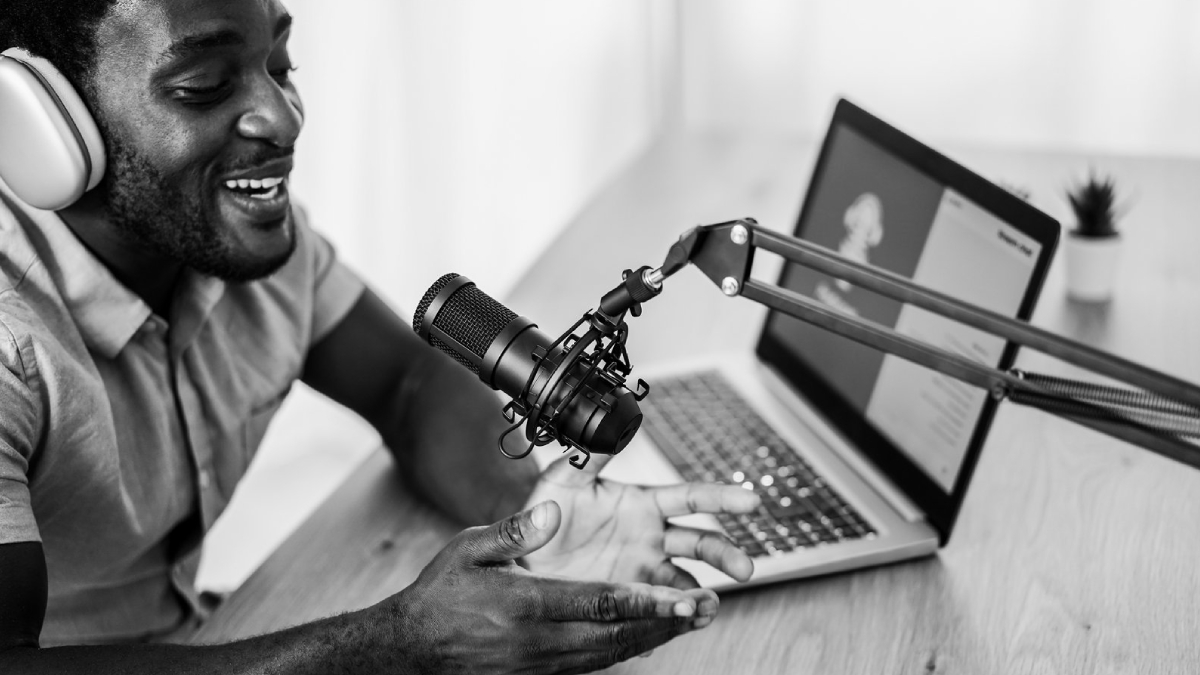
2. AI Voiceovers for Podcasts
Podcasting has grown massively, and AI is making it even easier.
AI voiceovers help creators:
- Turn written scripts into audio episodes
- Produce podcasts without microphones
- Generate consistent voice quality
- Save editing time
Tools like PlayHT are widely used for podcast creation.
Result:
- Quick podcast production
- Low startup cost
- Consistent audio quality
3. AI Voiceovers for Social Media Content
Short-form content on platforms like TikTok, Instagram, and Facebook requires engaging voiceovers.
AI helps creators:
- Add narration to reels
- Create viral storytelling videos
- Generate multilingual voice content
- Produce fast daily content
Result:
- More engaging videos
- Faster posting schedule
- Higher audience retention
4. AI Voiceovers for Online Courses
Educators and course creators use AI voiceovers to build e-learning content.
AI helps by:
- Narrating lesson videos
- Explaining complex topics
- Creating multilingual courses
- Updating content easily
Tools like Murf AI are widely used in educational content creation.
Result:
- Professional learning experience
- Faster course production
- Global reach for students
5. AI Voiceovers for Marketing and Ads
Businesses use AI voiceovers for advertisements and promotions.
AI helps create:
- Product ads
- Social media promotions
- Explainer videos
- Brand storytelling content
Result:
- Lower marketing costs
- Faster campaign creation
- Consistent brand messaging
6. AI Voiceovers for Audiobooks
Audiobook creation is another major use of AI voice technology.
AI allows authors to:
- Convert books into audio instantly
- Produce multiple voice styles
- Translate audiobooks into other languages
Result:
- Faster publishing
- Wider audience reach
- Reduced production cost
7. AI Voice Cloning for Creators
One advanced feature in AI voiceovers is voice cloning.
This allows creators to:
- Clone their own voice
- Maintain consistent narration style
- Save time in recording future content
Tools like LOVO AI support advanced voice customization.
Result:
- Personalized voice identity
- Faster content scaling
- Unique brand voice
How AI Voiceovers Work
AI voiceover systems use advanced technologies like:
- Neural networks
- Natural language processing (NLP)
- Deep learning models
- Speech synthesis systems
Process:
- Text is entered into the tool
- AI analyzes tone, context, and meaning
- Voice is generated using trained models
- Audio is refined for natural sound
Benefits of AI Voiceovers for Content Creators
1. Saves Time
No need for recording or re-recording.
2. Reduces Cost
No need for voice actors or studios.
3. Easy Scaling
Create unlimited content quickly.
4. Multilingual Support
Reach global audiences easily.
5. Consistency
Same voice quality across all videos.
Real-World Example
Imagine a YouTube automation channel:
Before AI:
- Hire voice actor
- Record multiple takes
- Edit audio manually
After AI:
- Script entered into AI tool
- Voice generated instantly
- Audio ready in minutes
Result:
- 5x–10x faster content production
- Lower costs
- Consistent voice quality
Challenges of AI Voiceovers
1. Emotional Limitations
AI may lack deep human emotion in some cases.
2. Ethical Concerns
Voice cloning can be misused.
3. Quality Variation
Some voices sound more natural than others.
Future of AI Voiceovers
The future includes:
- Fully realistic human-like voices
- Real-time AI narration
- Personalized creator voices
- AI virtual presenters
- Interactive voice content
AI will make voice content more natural and interactive.
Conclusion
AI voiceovers are transforming content creation by making it faster, cheaper, and more scalable. From YouTube videos and podcasts to ads and online courses, AI is helping creators produce professional-quality audio without traditional limitations.
Anyone who adopts AI voiceovers today can create more content in less time and reach a wider audience effortlessly.