
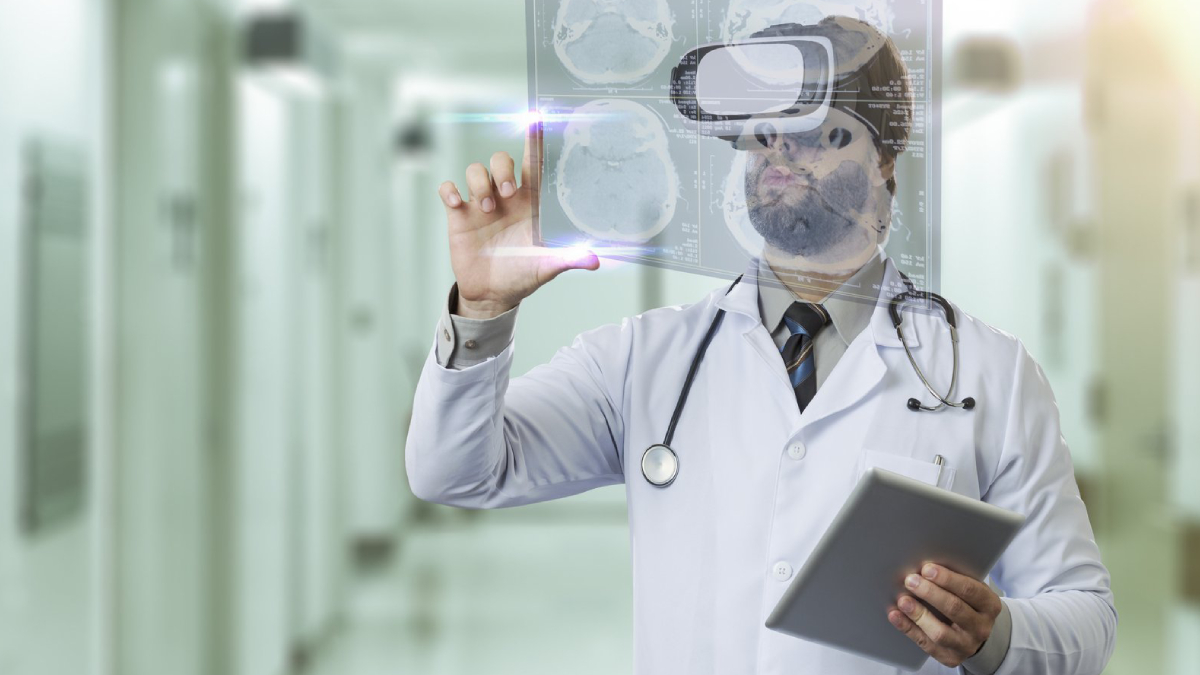
In 2026, hospitals are becoming smarter, faster, and more efficient than ever before. The reason behind this transformation is Artificial Intelligence (AI). From patient admission to diagnosis, treatment, and hospital management, AI is now deeply integrated into almost every hospital system.
Instead of relying only on manual processes, hospitals are now using AI to improve accuracy, reduce waiting times, and enhance patient care.
In this blog, we’ll explore the most important AI applications in hospitals and how they are changing the healthcare system.
What Are AI Applications in Hospitals?
AI applications in hospitals refer to the use of Artificial Intelligence systems to support hospital operations, including:
- Patient diagnosis
- Treatment planning
- Administrative tasks
- Medical imaging
- Emergency care
- Data management
These systems help doctors and hospital staff work more efficiently and accurately.
Why AI is Important in Hospitals
AI is becoming essential in hospitals because it:
- Reduces patient waiting time
- Improves diagnosis accuracy
- Automates administrative work
- Enhances patient care
- Supports medical staff decisions
1. AI in Patient Registration and Scheduling
One of the first applications of AI in hospitals is managing patient flow.
AI systems can:
- Schedule appointments automatically
- Manage doctor availability
- Reduce waiting times
- Prioritize emergency cases
Result:
- Faster registration process
- Organized patient flow
- Reduced hospital crowding
2. AI in Medical Diagnosis
AI helps doctors diagnose diseases more accurately and quickly.
It can:
- Analyze symptoms
- Compare patient history
- Study medical reports
- Suggest possible conditions
Tools like IBM Watson Health are widely used in clinical decision support.
Result:
- Faster diagnosis
- Reduced human error
- Better treatment decisions
3. AI in Medical Imaging
Medical imaging is one of the most advanced AI applications in hospitals.
AI can:
- Analyze X-rays and MRIs
- Detect tumors and fractures
- Highlight abnormal areas
- Improve scan quality
Result:
- More accurate reports
- Faster radiology analysis
- Early disease detection
4. AI in Emergency Care
AI plays a critical role in emergency departments.
It helps by:
- Identifying critical patients
- Predicting health risks
- Prioritizing emergency cases
- Alerting doctors instantly
Result:
- Faster emergency response
- Better survival rates
- Efficient triage system
5. AI in Patient Monitoring
Hospitals use AI to continuously monitor patients.
AI systems track:
- Heart rate
- Blood pressure
- Oxygen levels
- Body temperature
Wearable devices also send real-time data to hospital systems.
Result:
- Early detection of complications
- Continuous patient care
- Reduced risk of emergencies
6. AI in Hospital Administration
Administrative work is one of the biggest workloads in hospitals, and AI helps reduce it.
AI can:
- Manage patient records
- Handle billing systems
- Automate paperwork
- Organize staff schedules
Result:
- Less administrative burden
- Faster hospital operations
- Improved efficiency
7. AI Chatbots in Hospitals
AI chatbots are now widely used in hospital systems.
They can:
- Answer patient questions
- Book appointments
- Provide medical guidance
- Share test results
Tools like Ada Health help patients get quick health support.
Result:
- 24/7 patient assistance
- Reduced workload on staff
- Faster communication
8. AI in Surgery Assistance
AI is also used in operating rooms to assist surgeons.
It can:
- Guide surgical procedures
- Improve precision
- Reduce risks
- Support minimally invasive surgeries
Result:
- Safer surgeries
- Faster recovery
- Higher success rates
9. AI in Drug Management
Hospitals use AI to manage medicines and treatments.
AI helps:
- Track medicine inventory
- Suggest correct dosages
- Prevent medication errors
- Monitor patient prescriptions
Result:
- Safer medication use
- Reduced errors
- Better inventory control
10. AI in Disease Prediction
AI systems can predict potential diseases before they become serious.
They analyze:
- Medical history
- Lifestyle habits
- Genetic data
- Health patterns
Result:
- Early prevention
- Reduced hospital admissions
- Better long-term care
Real-World Example
Imagine a modern hospital in 2026:
Before AI:
- Long waiting times
- Manual record keeping
- Delayed diagnosis
After AI:
- Automated patient registration
- Instant scan analysis
- Real-time health monitoring
Result:
- Faster hospital operations
- Better patient experience
- Improved healthcare quality
Benefits of AI in Hospitals
1. Faster Operations
Reduces delays in patient care.
2. Improved Accuracy
Helps doctors make better decisions.
3. Better Patient Experience
Shorter waiting times and smoother processes.
4. Reduced Workload
Automates administrative tasks.
5. 24/7 Monitoring
Continuous patient tracking improves safety.
Challenges of AI in Hospitals
1. Data Privacy Risks
Patient data must be highly secure.
2. High Implementation Cost
AI systems require investment.
3. Training Requirements
Staff must learn how to use AI tools.
4. Dependence on Technology
Hospitals still need human oversight.
Future of AI in Hospitals
The future of AI in hospitals includes:
- Fully automated hospital systems
- AI-powered virtual doctors
- Smart robotic surgery units
- Predictive health monitoring networks
- Global connected healthcare systems
Hospitals will become more intelligent, efficient, and patient-focused.
Conclusion
AI is transforming hospitals in powerful ways by improving diagnosis, treatment, administration, and patient care. From AI-powered imaging systems and chatbots to predictive healthcare and robotic surgery, the entire hospital ecosystem is becoming smarter.
However, AI will always work alongside healthcare professionals to ensure safe and accurate medical care.