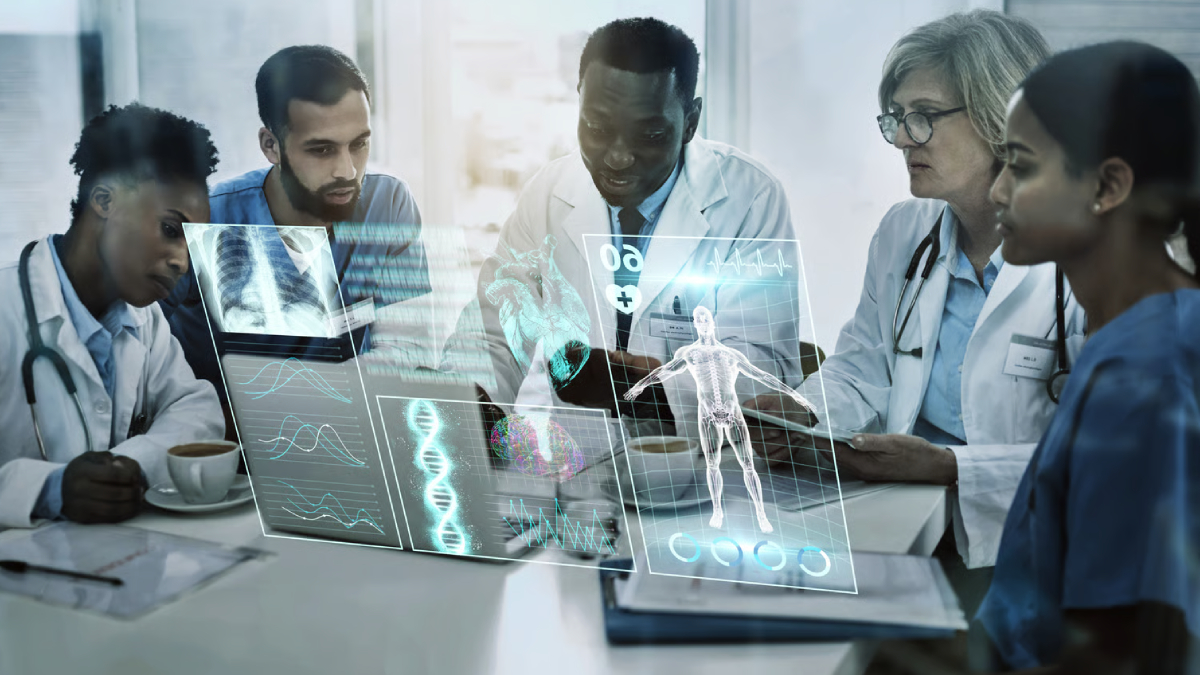
In 2026, healthcare is going through one of the biggest transformations in history. Artificial Intelligence (AI) is now deeply integrated into hospitals, clinics, laboratories, and even personal health devices.
From diagnosing diseases faster than ever before to assisting surgeons during complex operations, AI is not just supporting healthcare—it is reshaping it completely.
In this blog, we’ll explore how AI is changing healthcare, its real-world impact, and why it is becoming essential in modern medicine.
What is AI in Healthcare?
AI in healthcare refers to the use of artificial intelligence systems to assist in:
- Disease diagnosis
- Medical imaging analysis
- Treatment planning
- Patient monitoring
- Hospital management
Instead of replacing doctors, AI acts as a powerful assistant that improves accuracy and efficiency.
1. Faster and More Accurate Disease Diagnosis
One of the biggest changes AI has brought to healthcare is early and accurate diagnosis.
AI systems can:
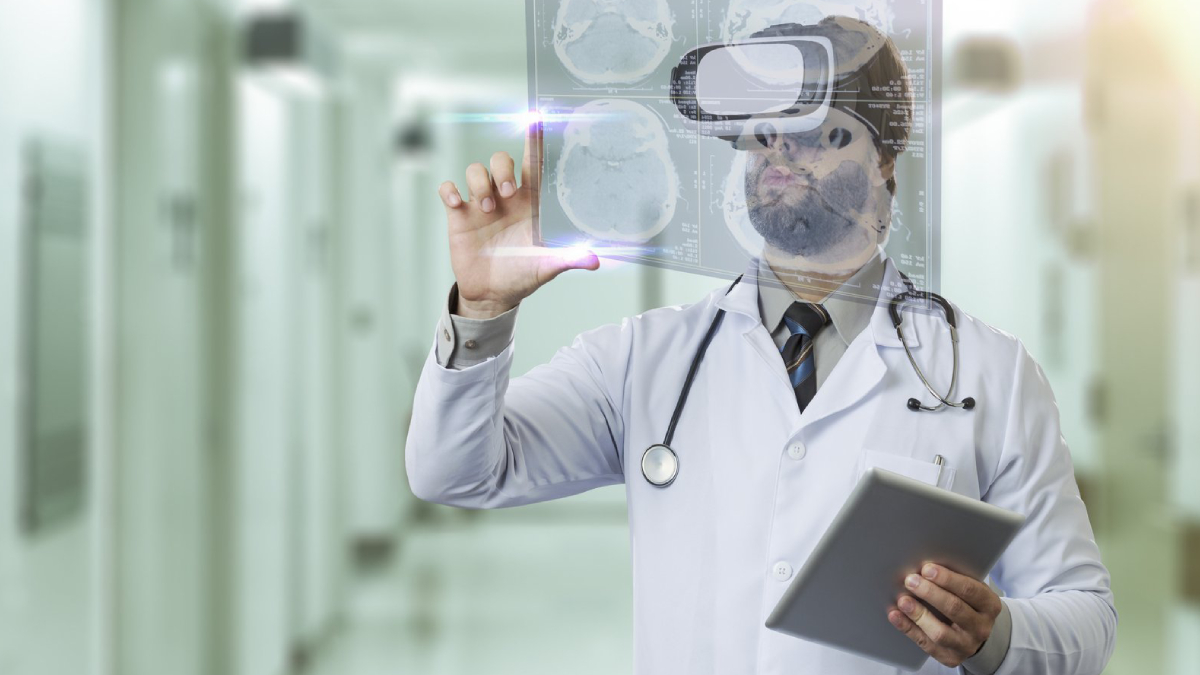
- Analyze X-rays, MRIs, and CT scans
- Detect tumors and abnormalities
- Identify diseases at early stages
- Compare patient data with millions of cases
This helps doctors detect diseases much earlier than traditional methods.
Example:
AI can detect early-stage cancer in medical scans that may be difficult for human eyes to notice.
Result:
- Faster diagnosis
- Early treatment
- Higher survival rates
2. AI in Medical Imaging
Medical imaging is one of the most important areas in healthcare.
AI improves it by:
- Enhancing image clarity
- Highlighting problem areas
- Reducing human error
- Speeding up analysis
AI tools can scan thousands of images in minutes.
Result:
- More accurate reports
- Faster medical decisions
- Improved patient care
3. Personalized Treatment Plans
Every patient is different, and AI helps create personalized treatment plans.
AI analyzes:
- Medical history
- Genetic information
- Lifestyle data
- Current symptoms
Then it suggests customized treatment options.
Result:
- Better treatment accuracy
- Faster recovery
- Reduced side effects
4. AI in Drug Discovery
Developing new medicines traditionally takes years, but AI is speeding up the process.
AI helps:
- Identify chemical compounds
- Predict drug effectiveness
- Reduce testing time
- Simulate drug interactions
Result:
- Faster drug development
- Lower research costs
- Improved medical innovation
5. AI in Surgery (Robotic Assistance)
AI is now used in robotic-assisted surgeries.
These systems:
- Assist surgeons during operations
- Improve precision
- Reduce human error
- Enable minimally invasive procedures
Result:
- Safer surgeries
- Faster recovery times
- Higher success rates
6. AI in Patient Monitoring
AI-powered devices continuously monitor patient health.
They track:
- Heart rate
- Blood pressure
- Oxygen levels
- Sleep patterns
Wearable devices also send real-time health alerts.
Result:
- Early detection of health issues
- Continuous care
- Better chronic disease management
7. AI Chatbots for Healthcare Support
AI chatbots provide instant medical assistance.
They can:
- Answer health questions
- Suggest basic treatments
- Book doctor appointments
- Provide medication reminders
Result:
- 24/7 support
- Reduced hospital workload
- Faster patient communication
8. AI in Hospital Management
Hospitals use AI to improve internal operations.
AI helps:
- Manage patient appointments
- Organize medical records
- Optimize staff schedules
- Reduce waiting times
Result:
- Smooth hospital operations
- Better resource management
- Improved patient experience
9. AI in Mental Health Support
AI is also playing a role in mental healthcare.
It can:
- Detect emotional patterns
- Provide therapy chat support
- Monitor stress and anxiety levels
Result:
- Early mental health intervention
- Accessible support systems
- Continuous monitoring
Real-World Example
Imagine a modern hospital in 2026:
Before AI:
- Manual diagnosis takes time
- Long waiting hours
- Human errors in reports
After AI:
- AI analyzes scans instantly
- Doctors get accurate predictions
- Patients receive faster treatment
Result:
- Faster healthcare services
- Better accuracy
- Improved patient outcomes
Benefits of AI in Healthcare
1. Faster Diagnosis
Diseases are detected quickly and accurately.
2. Improved Accuracy
Reduces human errors in medical decisions.
3. Cost Efficiency
Reduces unnecessary tests and delays.
4. Better Patient Care
Enhances treatment quality and monitoring.
5. 24/7 Availability
AI systems work continuously without breaks.
Challenges of AI in Healthcare
1. Data Privacy Issues
Medical data must be highly protected.
2. High Implementation Cost
Advanced AI systems can be expensive.
3. Ethical Concerns
AI decisions must always be verified by doctors.
4. Dependence on Technology
Over-reliance can be risky in critical cases.
Future of AI in Healthcare
The future of AI in healthcare includes:
- Fully AI-assisted hospitals
- Predictive disease prevention systems
- AI-powered robotic doctors
- Real-time health monitoring ecosystems
- Personalized medicine based on genetics
Healthcare will become more predictive, precise, and accessible.
Conclusion
AI is transforming healthcare in powerful ways—from early disease detection and robotic surgery to personalized treatments and patient monitoring.
However, AI is not replacing doctors. Instead, it is empowering them to make faster, smarter, and more accurate decisions.
The future of healthcare is a combination of human expertise and artificial intelligence working together.