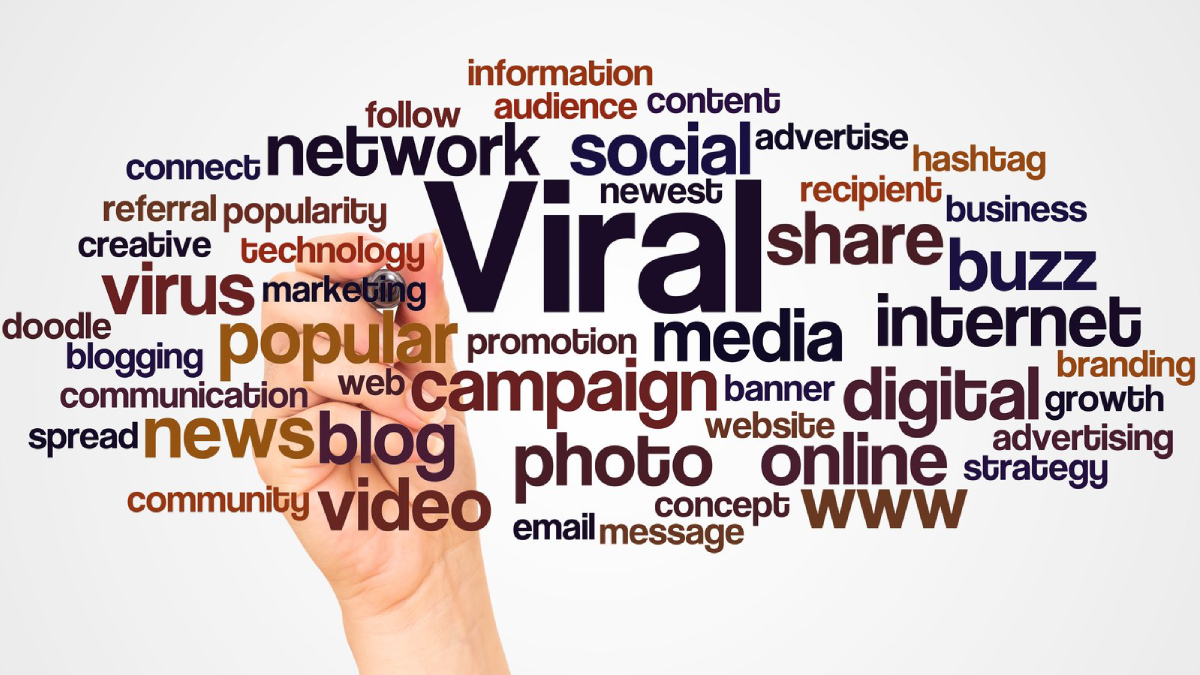
Going viral on social media is not just luck anymore. In 2026, viral content is increasingly driven by data, patterns, and Artificial Intelligence (AI). Platforms like TikTok, Instagram, YouTube, and Facebook all use AI algorithms to decide what content gets pushed to millions of users.
That means creators and brands can now use AI strategies to significantly increase their chances of going viral.
In this blog, we’ll break down how AI helps create viral content, the best strategies to use, and how you can apply them to grow fast.
What is Viral Content?
Viral content is any post, video, or image that spreads rapidly across social media platforms through shares, likes, comments, and engagement.
It usually:
- Gains massive reach in a short time
- Triggers emotional reactions
- Encourages sharing
- Performs well in algorithms
AI helps identify what type of content is likely to go viral before it even performs.
Why AI is Important for Viral Content
In the past, virality was unpredictable. Now AI analyzes billions of data points to detect patterns in successful content.
AI helps by:
- Predicting trending topics
- Analyzing engagement behavior
- Identifying viral formats
- Optimizing posting times
- Improving content structure
1. AI Trend Detection Strategy
One of the most powerful AI strategies is trend detection.
AI tools scan:
- Social media platforms
- Search engines
- Hashtag performance
- Viral videos and posts
They identify:
- What topics are trending right now
- What content is gaining traction
- What users are engaging with most
Result:
- Early access to trends
- Higher viral chances
- Faster content planning
2. AI Emotional Content Strategy
Viral content is emotional. AI analyzes emotional triggers that make people engage.
Common viral emotions include:
- Happiness
- Surprise
- Fear
- Curiosity
- Inspiration
AI helps creators:
- Analyze emotional impact of content
- Suggest emotionally engaging topics
- Improve storytelling tone
Result:
- Higher engagement
- More shares
- Strong audience connection
3. AI Content Format Strategy
Not all content formats go viral equally.
AI studies performance data and identifies best formats such as:
- Short videos (Reels, TikToks)
- Carousel posts
- Story-based content
- Before/after transformations
AI tools help creators choose the best format for each idea.
Result:
- Better content performance
- Higher reach
- Increased virality potential
4. AI Hook Optimization Strategy
The first 3 seconds or first sentence decides whether content goes viral or not.
AI helps improve hooks like:
- Video openings
- Headlines
- Captions
For example:
- “You won’t believe this AI trick…”
- “This strategy changed everything…”
AI tests and suggests multiple hook variations.
Result:
- Higher retention
- Better engagement
- Increased watch time
5. AI Timing Strategy (When to Post)
Timing is critical for virality.
AI analyzes audience activity and determines:
- Best posting times
- Peak engagement hours
- Platform-specific timing
For example:
- Instagram users may be active in evenings
- LinkedIn users are active during weekdays
Result:
- Faster engagement boost
- Higher algorithm reach
- Better visibility
6. AI Hashtag Strategy
Hashtags help content get discovered.
AI tools:
- Suggest trending hashtags
- Analyze hashtag performance
- Group relevant tags
They ensure:
- Proper reach targeting
- Less competition hashtags
- Better discoverability
Result:
- Increased impressions
- Higher reach
- Better viral chances
7. AI Content Repurposing Strategy
AI helps turn one viral idea into multiple formats.
For example:
- A video → multiple short clips
- A blog → social posts
- A reel → carousel post
AI tools like Lately AI automate this process.
Result:
- More content output
- Wider audience reach
- Higher viral probability
8. AI Engagement Optimization Strategy
Engagement is key to virality.
AI analyzes:
- Likes
- Comments
- Shares
- Saves
It suggests improvements like:
- Better captions
- Stronger calls-to-action
- Interactive content ideas
Result:
- Higher engagement rates
- Strong algorithm boost
- Increased visibility
9. AI Competitor Viral Analysis Strategy
AI studies competitors to understand what makes their content viral.
It analyzes:
- Their top-performing posts
- Content style
- Posting frequency
- Engagement patterns
This helps creators replicate success strategies.
Result:
- Better content planning
- Faster growth
- Competitive advantage
10. AI Predictive Virality Strategy
One of the most advanced features of AI is predicting virality before posting.
AI evaluates:
- Content structure
- Emotional impact
- Trend alignment
- Audience interest
It gives a “viral score” prediction.
Result:
- Smarter content decisions
- Reduced failure rate
- Higher success probability
Real-World Example
Imagine a fitness influencer:
Before AI:
- Random posting
- Unclear trends
- Low engagement
After AI:
- AI suggests trending workout topics
- Optimized video hooks
- Perfect posting time
- Viral hashtag strategy
Result:
- 10x higher reach
- Faster follower growth
- Multiple viral posts
Tools That Help Create Viral Content
Some popular AI tools include:
- ChatGPT – Content ideas and captions
- Canva – Visual content creation
- Hootsuite – Scheduling and analytics
- Buffer – Post optimization
Challenges of AI Viral Strategies
1. Over-Optimization
Too much AI input can reduce originality.
2. Trend Saturation
Trends can become oversaturated quickly.
3. Platform Algorithm Changes
Algorithms change frequently.
Future of AI Viral Content
The future includes:
- Fully AI-generated viral videos
- Real-time trend prediction systems
- Automated content creation pipelines
- AI-driven influencer marketing
Virality will become more predictable and data-driven.
Conclusion
AI is transforming viral content creation by making it more strategic, predictable, and scalable. Instead of relying on luck, creators now use AI to identify trends, optimize content, and maximize engagement.
Those who understand and apply AI strategies will dominate social media growth in 2026.